
Your Kid Has a Fever After Hours- Here's What to Do (and When to Worry)
It’s 7pm. Your little one is burning up, fussy, and you're standing in the bathroom squinting at a thermometer wondering: Do I go to the ER? Wait until morning? Call someone?
Every parent has been there. And the uncertainty is the worst part.
Here's a straightforward guide from a Family Nurse Practitioner (and fellow parent) to help you know what to do — and when it's time to get help.
First: Take a Breath
A fever by itself is not an emergency. It's actually your child's immune system doing its job — fighting off infection. Most fevers in kids are caused by common viruses and will resolve on their own.
That said, there are times when a fever needs attention. Let's break it down by age.
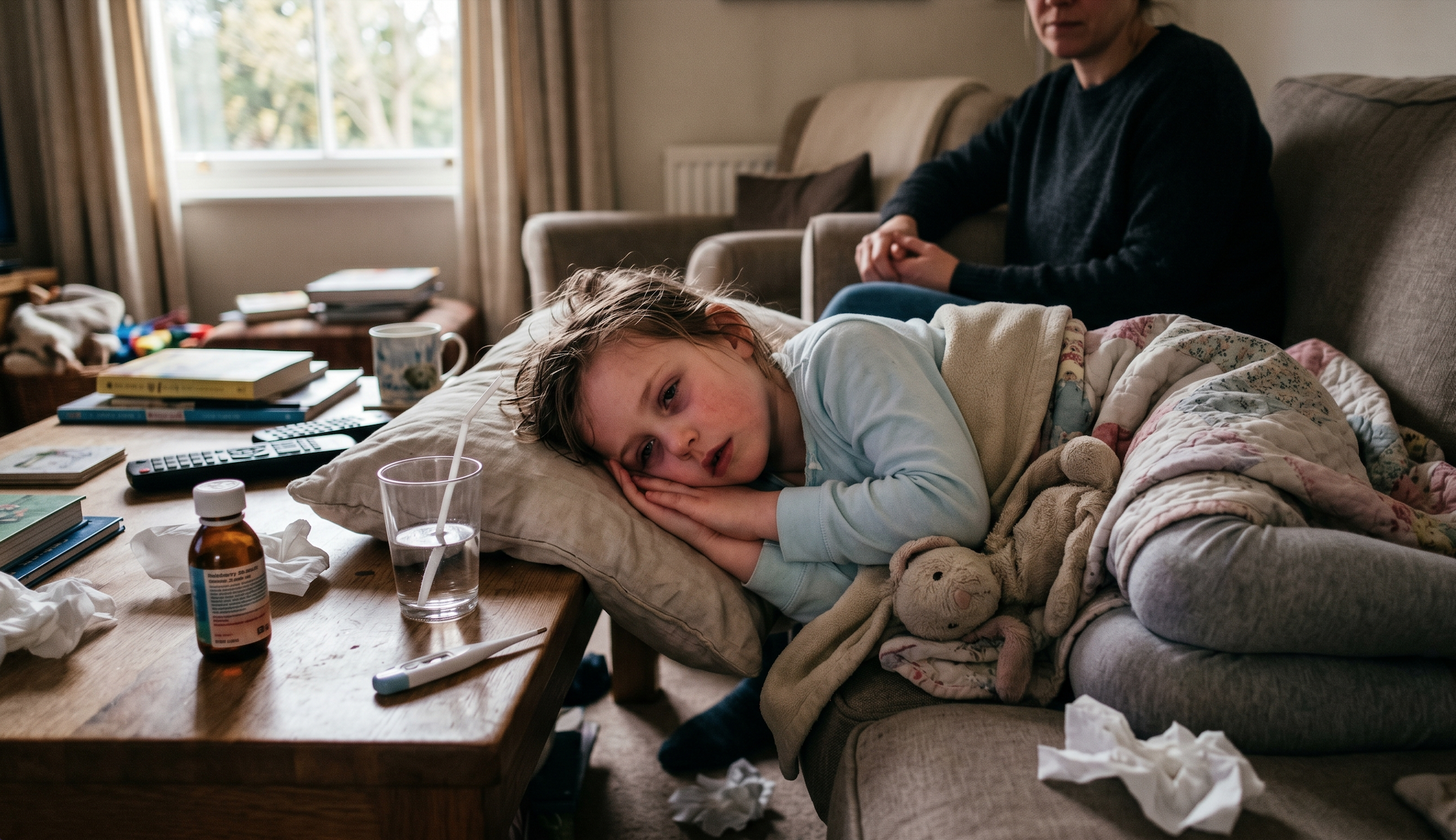
Fever Guidelines by Age
Newborns (0–3 months)
Any fever of 100.4°F or higher = call your provider or go to the ER immediately. In this age group, even a low fever can signal a serious infection. Don't wait.
Infants (3–12 months)
Fever under 102°F: Monitor at home, keep them hydrated, and watch their behavior
Fever 102°F+: Call your provider — especially if they're unusually fussy, not eating, or lethargic
Fever lasting more than 24 hours: Time to check in
Toddlers & Older Kids (1+ years)
Focus on how they're acting, not just the number on the thermometer
A kid with a 103°F fever who's still playing and drinking? Usually okay to monitor
A kid with a 101°F fever who's limp, not drinking, and inconsolable? That needs attention
What to Do at Home
Treat it with Acetaminophen (Tylenol) or ibuprofen (Motrin/Advil) for kids 6 months+ Always dose by weight, not age.
Hydrate, hydrate, hydrate. Small sips of water, Pedialyte, or breastmilk/formula for babies
Dress them lightly. Skip the heavy blankets — let the body regulate
Lukewarm bath can help if they're uncomfortable (skip the cold water — it can cause shivering, which raises body temp)
Rest. Let them sleep if they want to
When to Worry — Signs to Head to the ER
Go to the emergency room if your child has a fever AND any of these:
Under 3 months old with any fever 100.4°F+
Difficulty breathing or breathing very fast
Not waking up or extremely difficult to rouse
Stiff neck or sensitivity to light
Rash that doesn't blanch (press on it — if it doesn't fade, go now)
Signs of dehydration: no wet diapers for 6+ hours, no tears when crying, dry mouth
Seizure (febrile seizures can happen — they're scary but usually not dangerous; still go to the ER)
Fever over 104°F that doesn't respond to medication
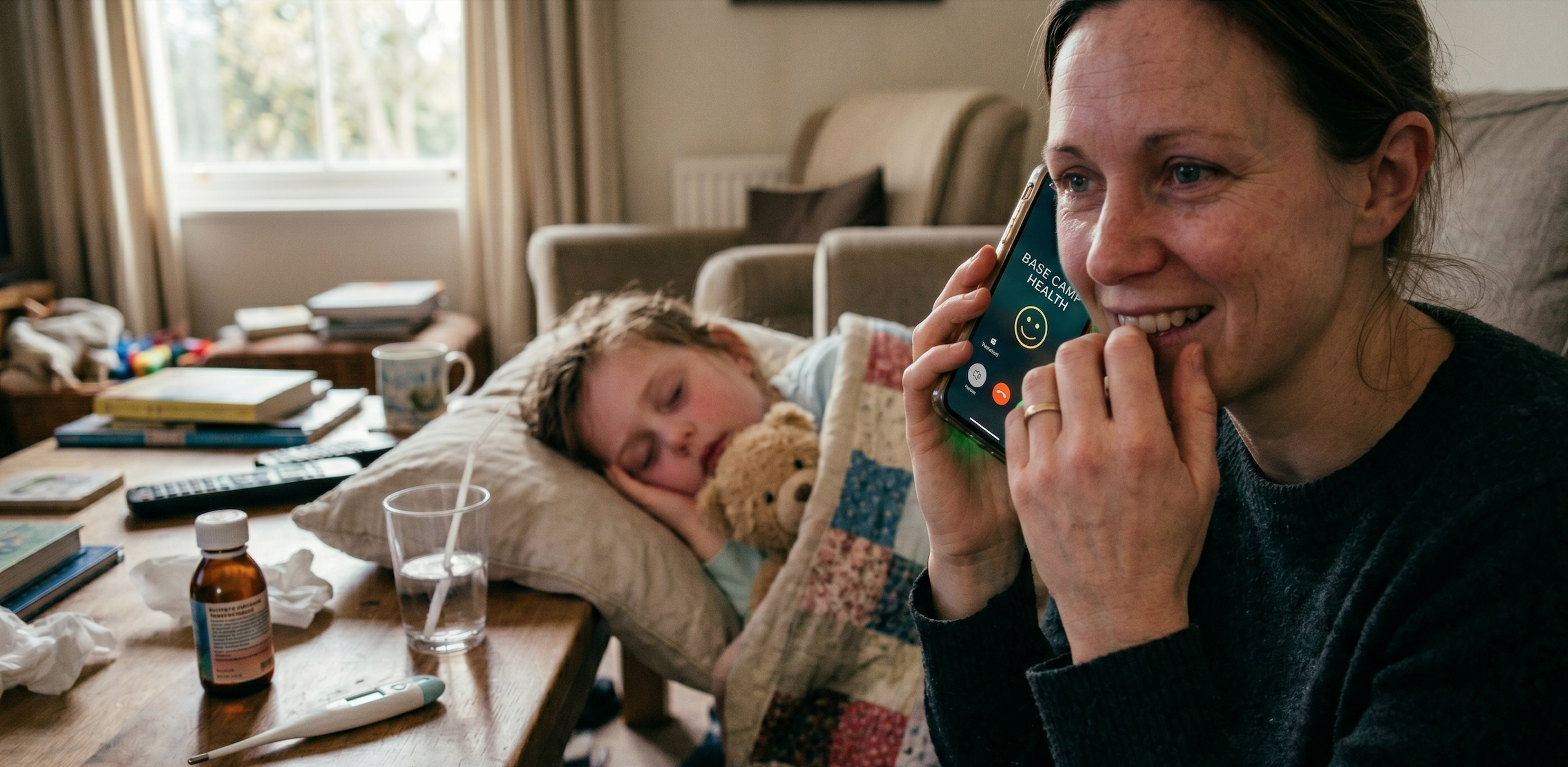
The DPC Advantage: You Don't Have to Care Alone
Here's the thing most parents don't realize: you don't have to make this call by yourself.
At Base Camp Health, you can text Ruth directly — even after hours for urgent needs. Send a quick message describing what's going on, and get real guidance from your actual provider who knows your kid.
No nurse hotline. No "if symptoms persist, call back during business hours." No ER wait for something that could be handled with a quick conversation.
That's the difference with Direct Primary Care. You have a provider who's genuinely accessible when it matters most.
The Bottom Line
Most childhood fevers are normal, manageable, and not emergencies. But knowing the red flags — and having a provider you can actually reach — makes all the difference between a stressful night and a manageable one.
Want a provider who's there when your kid spikes a fever after hours?
Base Camp Health provides Direct Primary Care for families in Boulder, Louisville, Lafayette, Erie, Superior, and surrounding communities. Membership: $125/adult, $75/child, $400/family max.
